






How Spring Rain Leads to Mold in Basements and Crawl Spaces
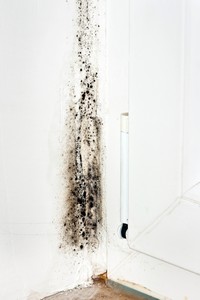
Heavy spring rain in Northeast Ohio can turn a dry basement into a damp, musty space in a matter of days. When water intrusion lingers, basement mold follows. If you suspect trouble, our basement mold in Cleveland, OH service page explains how M.A.D Cleaning, LLC addresses moisture and mold at the source.
Cleveland’s spring weather stacks the odds against older homes with porous masonry, clay soil, and shallow foundations. Add poor drainage, and crawl spaces and basements become ideal places for mold to grow.
Why Cleveland Basements Trap Moisture After Spring Rain
From March through May, the region sees frequent storms and quick thaws. Many homes in Lakewood, Parma, Cleveland Heights, Old Brooklyn, West Park, and Shaker Heights sit on heavy clay that sheds water slowly, pushing it toward your foundation instead of away.
Window wells fill, gutters overflow, and surface grading lets water pool against walls. If downspouts discharge too close to the house or footing drains are undersized or clogged, hydrostatic pressure builds and forces moisture through tiny cracks and mortar joints.
Lake-Effect Weather and Clay Soil Raise the Stakes
Lake-effect systems can drop intense rainfall in short bursts. Clay soil holds that water like a sponge and keeps foundation walls wet long after the storm passes. The result is lingering humidity, damp walls, and a musty odor that signals conditions mold loves.
Poor Surface Drainage and Leaky Window Wells
Homes with shallow window wells or aging liners often see water spill directly into the sill area. Over time, that moisture wicks into framing, insulation, and drywall, creating hidden mold risks around basement windows and utility rooms.
How Water Intrusion Turns Into Mold Growth
Once rainwater reaches your basement or crawl space, it raises relative humidity and wets building materials like wood, paper-faced drywall, and carpet padding. Mold spores, already present in the air, only need moisture and time to settle and spread.
From Damp to Visible Growth: The Timeline
Mold can begin growing on wet materials within 24 to 48 hours. In basements, this often appears first as dark staining on the lower walls, discoloration behind baseboards, or fuzzy growth on joists and subflooring above a damp crawl space. Musty odors usually arrive before you see visible patches.
Crawl Spaces: Lower, Colder, and Often Forgotten
Crawl spaces in older Cleveland homes tend to be cooler, so moisture condenses on joists and insulation after a warm spring rain. With limited airflow and porous materials, mold spreads efficiently across wood surfaces. This hidden growth can influence air quality upstairs as air moves from the crawl space into living areas.
Local insight: after just 1 inch of rain, a 1,000-square-foot roof sheds about 620 gallons of water. If that water pools near your foundation, it can seep inside and feed mold. Keep people and pets away from moldy, wet areas until a professional evaluates the space.
Clear Warning Signs After Storms in Cleveland, OH
If recent storms rolled through Lakewood, Tremont, or Ohio City, watch for these basement and crawl space red flags. They often point to excess moisture and early-stage mold growth.
- Musty odor that returns a day or two after rain
- Dark staining at the base of walls or along mortar joints
- Efflorescence or white powder on block walls that keeps coming back
- Peeling paint or bubbling on lower walls or around window wells
- Rust on appliances or furnace cabinets in the basement
- Condensation on pipes and floor joists above a crawl space
What a Certified Mold Specialist Checks in Cleveland Homes
A trained Mold Specialist looks beyond the obvious. The goal is to find the moisture source, confirm the presence of mold, and map how far it has spread so the plan targets the real problem and not just the stain on the surface.
Moisture Mapping, Air Quality, and Surface Sampling
Your inspection may include thermal imaging, moisture readings of walls and trim, and strategic sampling to verify what is present. To understand how moisture is moving in your home, schedule a professional mold inspection that documents humidity, temperature, and material moisture content.
Foundation, Drainage, and HVAC Clues
We assess grading around the home, look for window well overflow marks, and check for hairline cracks that indicate past water intrusion. The HVAC system is also reviewed because it can pull basement or crawl space air into the rest of the home if return paths are unbalanced.
Spring Rain, Poor Drainage, and Crawl Space Mold
In neighborhoods near the lake and river valleys, spring downpours can overwhelm aging drainage in minutes. Standing water in a crawl space soaks joists and subfloor, then humidity rises and spreads the problem to nearby rooms. Cleveland’s clay soil holds water near your foundation, so even light storms can trigger repeat dampness without correction.
When that cycle repeats week after week, mold colonies expand. If your home has a mixed basement and crawl space, problems can leap between the two through shared framing and utility chases.
Basement Mold Cleveland, OH: Why the Problem Spikes After Spring Storms
During long stretches of rain, the water table can rise faster than drains can carry water away. Hydrostatic pressure forces moisture through porous block and tiny foundation cracks. If you are researching basement mold Cleveland, OH because odors or stains return after every storm, that repeating pattern is a strong sign of ongoing water intrusion.
Health and Home Risks When Moisture Lingers
Persistent dampness can lead to visible mold growth and damaged finishes. Over time, soft drywall, warped baseboards, and compromised insulation waste energy and invite further moisture problems.
Some people report worsened allergy-like symptoms in damp homes. While individual reactions vary, any mold-suspect area should be taken seriously and evaluated by a professional so the root cause can be addressed.
What Professional Remediation Involves
Once a plan is set, containment and air filtration help protect clean areas while affected materials are cleaned or removed. Drying and dehumidification are coordinated so structure moisture returns to normal before finishes are replaced.
To see why timing matters, read our brief post on why professional mold removal is critical before winter. Even though that article focuses on cold weather, the principle is the same in spring: stopping moisture stops mold.
Avoiding DIY Missteps That Make Mold Worse
Homeowners often try to fix odor with paint or fragrance. Do not paint over damp or stained walls. Covering a moisture problem traps water inside the wall and can spread damage out of sight.
Running a small fan across wet materials can also push spores through the space without actually drying the structure. Schedule a professional inspection after heavy spring rain so the solution targets the source, not just the symptom.
Why Choose M.A.D Cleaning, LLC for Basement and Crawl Space Mold
Our local team understands how Lake Erie weather, clay soil, and aging foundations interact across Cleveland’s west and east sides. We pair moisture diagnostics with proven remediation methods so the plan addresses both mold and water intrusion patterns.
If you need targeted help, our basement mold specialists can assess the problem, document conditions, and outline next steps that fit your home’s structure and season.
Get Expert Basement Mold Help in Cleveland, OH
Spring rain should not lead to musty rooms and stained walls. If you notice recurring odors, damp corners, or foundation leaks after storms, contact M.A.D Cleaning, LLC today at 419-202-4168. Start with our basement mold service to see how we pinpoint water intrusion and protect your home for the long run.
More Tips on Mold Inspection