






How Melting Snow Can Lead to Mold Problems in Cleveland Homes
When lake-effect snow piles up around your home and temperatures swing above freezing, water finds its way into places it does not belong. In Cleveland, thaw cycles push meltwater into basements, crawlspaces, and roof systems. That moisture can spark fast mold growth on wood, drywall, and insulation. If you spot musty odors or staining after a thaw, schedule professional mold remediation with M.A.D. Cleaning, LLC before the problem spreads.
Cleveland’s older housing stock, porous foundation walls, and finished basements make winter-to-spring a risky season. Snowmelt can bypass defenses through tiny cracks, clogged drains, or ice dams. Once materials get wet for even a short time, spores can colonize and spread through the air you breathe.
Why Cleveland’s Thaw Season Fuels Mold Growth
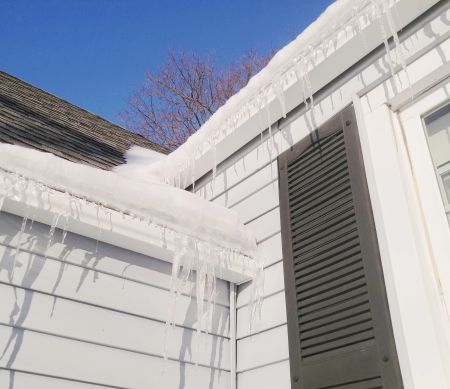
Our region’s freeze-and-thaw pattern saturates soil, then sends liquid water toward the foundation as the top layer softens. When daytime highs rise and nights refreeze, expansion and contraction open micro-pathways that water exploits. Attics face a different threat: warm indoor air meets a cold roof deck, creating condensation under shingles. Add an ice dam, and water can back up beneath roofing, drip onto insulation, and feed mold out of sight.
Homes in neighborhoods like Lakewood, Old Brooklyn, and West Park often have stone or block foundations that wick moisture. East-side communities with tall trees and shaded eaves see more ice damming. Townhomes and bungalows near Parma and Garfield Heights may have limited roof ventilation, so meltwater plus trapped humidity becomes a perfect storm.
Where Snowmelt Moisture Hides Inside Your Home
Moisture does not always show up as a puddle. It can sit within building materials or behind finishes. Common hideouts include:
- Baseboard edges along exterior walls and stairwells to the basement
- Rim joists and sill plates where the frame meets the foundation
- Behind drywall near hairline foundation cracks or utility penetrations
- Attic sheathing under past or present ice dams
- Insulation around bathroom fans that vent warm air into cold roof cavities
Because these areas are out of sight, problems often linger until a strong odor or discoloration appears. By then, spores may have moved through return ducts or open doorways into other rooms.
Early Warning Signs After a Thaw
Snowmelt-related mold often announces itself in small ways first. Watch for these clues right after temperatures climb:
- A sweet, musty smell in the basement or near utility rooms
- New spotting on attic sheathing, rafters, or around can lights
- Peeling paint or bubbling drywall near floor lines and foundation corners
- HVAC filters darkening sooner than usual
Do not paint over visible mold or try to mask the odor. Cover-ups trap moisture and can make later cleanup harder. It is also important not to disturb growth by heavy scrubbing, since that can release more spores into the air.
Why Professional Mold Inspection Matters in Cleveland
Mold is a symptom. The source is moisture. A trained inspector from M.A.D. Cleaning, LLC focuses on both. We start by learning how your home handles winter runoff, then use tools to confirm where water traveled and where spores settled. Moisture meters, infrared imaging, and air or surface sampling guide a plan that fits your home’s layout and age.
Older basements in areas like Tremont and Detroit–Shoreway may need special attention at rim joists and chimney chases. Attics in Shaker Heights and University Circle often require a close look at ventilation and bath fan ducting. Hidden moisture can feed mold long after surfaces feel dry, so careful testing helps stop the cycle instead of chasing stains.
If inspection confirms growth, our team designs a containment and cleaning plan that targets the affected rooms and the pathways spores use to travel. When the source is tied to snowmelt, we also coordinate with roofers, gutter pros, or waterproofing contractors as needed to prevent a repeat.
How Pros Tackle Mold Remediation in Cleveland Homes
Every project is unique, but quality remediation follows proven steps to protect your family and your home:
First, we isolate the work area with poly sheeting and establish negative air pressure using HEPA-filtered equipment. That prevents cross-contamination to clean rooms. Materials that cannot be cleaned, like heavily colonized drywall or fiberboard, are removed in a controlled way and bagged for disposal.
Next, we clean structural surfaces with HEPA vacuuming and damp wiping using professional products. We address dust on nearby contents as needed. Drying is critical. High-capacity dehumidifiers and directed air movement bring moisture levels back to safe targets in wood and masonry. Act fast after a thaw because speed limits spread and makes drying more effective.
Finally, we verify results. That may include moisture re-checks and post-remediation air sampling when appropriate. The goal is a clear, documented handoff so you can use the space with confidence.
Snowmelt Pathways Unique to Northeast Ohio
Cleveland’s lakefront winds push drifts against north and west walls. When those drifts melt, hydrostatic pressure rises along the foundation. Driveways that slope toward a garage in suburbs like Parma or Euclid can funnel water to the slab edge, where it seeps under drywall. On roofs, wide soffits combined with shaded lots keep eaves colder than the peak, letting ice dams form even on sunny days.
Avoid disturbing visible mold in attics or basements during this time. Opening walls or ripping out insulation without controls spreads spores and fine dust to living areas.
When To Act During Late Winter And Early Spring
In most years, the highest risk window runs from late February into March, when daytime melting pairs with overnight refreezing. If you notice damp carpet, new wall staining, or attic frost that later drips, it is time to bring in M.A.D. Cleaning, LLC. A timely inspection can keep a small, contained problem from turning into a multi-room project.
For homeowners comparing options, start with a qualified inspection to confirm the extent of moisture and mold. If remediation is recommended, our mold remediation specialists in Cleveland follow a process built for older basements, finished lower levels, and complex rooflines common across the city.
Keeping Mold From Returning After The Next Thaw
Stopping recurrence is as important as the cleanup. That means fixing how water and air move through the home. In Cleveland, that often includes improving roof drainage, correcting grading at problem corners, sealing utility penetrations, and tuning ventilation so warm, moist air does not collect in cold spaces. These improvements should be handled by qualified pros so the work is safe and effective.
Interior strategies may include better dehumidification during transition months and careful monitoring of basement humidity. If storms knock out power, consider a backup for sump systems to avoid surprise flooding as snowmelt surges. Moisture control is the cure, and it is the best defense against future growth.
Local Home Styles And Areas Most At Risk
Each part of Greater Cleveland brings different challenges. Lakewood and Cleveland Heights feature older masonry basements that wick moisture along mortar joints. Tremont and Ohio City have renovated spaces where finished basements hide framing cavities that can hold damp air. Suburbs like Parma and Seven Hills include many slab-on-grade homes where garage and entry slabs meet living areas, creating vulnerable transitions during melts.
Our team understands these patterns and tailors plans accordingly, whether you have a 1920s colonial, a mid-century ranch, or a newer build with complex rooflines. That local knowledge helps us find the true source faster and protect finished spaces you rely on.
Why Choose M.A.D. Cleaning, LLC For Mold Remediation In Cleveland
Choosing a local specialist means faster response and solutions that fit the way Cleveland homes are built. We combine detailed inspection with industry-standard containment, HEPA filtration, and thorough drying. From the first visit to final clearance, you get clear communication and photos so you know what was found and how it was fixed.
If you are beginning your research, you can learn more about mold remediation in Cleveland and how our team approaches snowmelt-related issues across the city. When you are ready, we will create a plan that respects your time, your budget expectations, and your family’s routines.
Take Action Before The Next Warm-Up
Melting snow does not need to become a yearly headache. If you suspect hidden moisture or notice new musty odors after a thaw, call M.A.D. Cleaning, LLC at 419-202-4165. We will inspect, identify the source, and remediate the mold so you can breathe easier this season and the next.
Schedule your visit today and protect your home’s air with Cleveland-focused expertise from M.A.D. Cleaning, LLC. Start by booking through our service page for fast help this week: local mold remediation help in Cleveland.
More Tips on Mold Remediation