







Why Mold Problems Spike in Cleveland During Spring and Summer
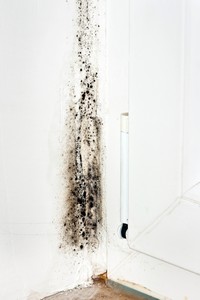
Spring rain, rising humidity, and warmer temperatures create the perfect recipe for mold in Cleveland homes. When moisture lingers and indoor air warms up, spores settle on wood, drywall, and dust. That is when small spots can spread fast. If you notice musty odors or new stains, it is time to schedule a mold inspection with a local expert you trust.
M.A.D. Cleaning, LLC serves homeowners across Northeast Ohio with detailed inspections and mold testing Cleveland residents rely on. We focus on finding the source, documenting the extent, and giving you clear next steps to protect your family and your investment.
What Changes in Cleveland From April Through August
Early spring brings frequent rain and snowmelt. That water works into basements, crawlspaces, and wall cavities. By late spring and summer, warm air holds more moisture, so indoor humidity climbs and stays high, especially near Lake Erie. Older homes in neighborhoods like Ohio City, Tremont, Collinwood, and Old Brooklyn often have stone or block foundations that absorb water and dry slowly.
- Basements and crawlspaces with cool walls that trap condensation after storms
- Attics with limited ventilation that bake on sunny afternoons
- Bathrooms and laundry rooms where steam and heat collect
- Kitchens and around sink bases where small leaks go unnoticed
- Window sills and exterior walls facing lake breezes
If you are researching Mold Inspection Cleveland OH, you likely want more than a quick glance. You want a systematic look at moisture, airflow, and building materials so small problems do not turn into summer mold issues Ohio homeowners dread.
How Rain, Humidity, and Heat Fuel Mold Growth
Think of mold like a campfire. It needs three things to light: moisture, a food source, and the right temperature. Drywall paper, wood framing, carpet backing, and dust are all food. Spring rain and summer humidity supply the moisture. Warmer rooms provide the temperature sweet spot.
When relative humidity stays elevated, surfaces pick up a thin film of moisture you may not even see. Over time, that film is enough for spores to settle and grow into visible patches. Basements are a typical starting point because cool foundation walls collect condensation while floors and stored items provide food. Attics see growth along the north roof deck where sun exposure is lower and moisture can linger near nail lines.
Hidden moisture is the real trigger. You might not see water on a floor, but damp subflooring, sill plates, and insulation can stay wet after a stormy week. That is why a professional checks both what is visible and what is behind it.
Where We See Spring Mold Problems in Northeast Ohio Homes
Across Cleveland, Lakewood, Parma, and Shaker Heights, we often track spring mold to water entry points that seem minor at first glance. Hairline cracks in block walls can seep during back-to-back rains. Old window wells hold water. Porch roofs send runoff against siding and trim. In multi-story homes around West Park or Slavic Village, we see bathroom exhaust fans that vent into attics instead of outside, which sends steam straight into the roof deck.
Common spring mold patterns in the region include:
- Shadowy streaks on basement joists near band boards after April storms
- Musty closets on exterior walls facing the lake breeze
- Dark spotting on attic sheathing along rafters above bathrooms
- Gasket and drywall staining around first-floor laundry hookups
You can explore our services to see how inspections, testing, and documentation fit together for Northeast Ohio homes of every age and style.
Safety first: never scrape, sand, or paint over visible mold. Disturbing growth can spread spores into living spaces. After heavy spring rains or a roof leak, book a professional evaluation to pinpoint the source and confirm safe next steps.
Why Summer Brings New Mold Issues in Ohio Homes
Summer flips the script. Now the air is hot and sticky. Cold supply ducts sweat in basements and utility rooms. That condensation drips onto joists, insulation, and stored cardboard. Upstairs, attic temperatures climb while the nighttime air outside cools, which can create dew-like conditions on under-ventilated roof decks.
Older doubles and colonials around University Circle and Old Brooklyn often have mixed insulation and partial air sealing. That mix lets humid outdoor air leak into cool interior cavities, leading to dark spotting on plaster-lath interfaces or behind paneling. In houses with finished basements, carpet tack strips and baseboards become mold magnets when summer humidity stays up for several weeks.
Summer mold does not always look dramatic. It often shows as faint gray-green dusting on wood, a musty smell after you return from a weekend trip, or a light halo around supply vents. The change is subtle, but the health and building impacts are not.
For a deeper dive into what our team looks for during Cleveland inspections, you can learn more about cleveland mold inspection findings and how we interpret lab reports in the context of local housing.
Professional Mold Testing Cleveland: What to Expect
When you hire M.A.D. Cleaning, LLC for mold inspection Cleveland OH homeowners trust, we bring structure to a situation that can feel stressful. Our inspections are designed around moisture first, because moisture drives mold. We start by listening to your timeline. Did the odor begin after spring storms, a plumbing repair, or a roof patch? Then we move through each level to test, confirm, and document.
Here is how a typical professional assessment may proceed, depending on what we find:
Moisture mapping guides decisions. We use professional tools to assess damp materials, check for temperature differences that suggest hidden moisture, and trace water pathways from exterior to interior. If results point to active growth or elevated spore loads, we perform targeted sampling and send those samples to an accredited lab. Results help distinguish normal outdoor mixes from indoor sources that need attention.
We also look at the building’s pressure and airflow patterns. In some homes, bathroom or kitchen fans do not move enough air, which leaves moisture hanging in the air long after a shower or cooking session. In others, the HVAC system draws humid attic or crawlspace air into living areas through gaps. Understanding that movement helps prevent the same problem from returning once cleanup is complete.
Our reports summarize where moisture is entering, which materials are affected, and how conditions like spring rain or summer humidity are contributing. That way you and your contractor can plan focused work, not broad guesses.
Cleveland Examples: How Weather and Homes Interact
Every home tells a story. In Ohio City and Tremont, many basements include historic stone or block that holds water longer after April and May storms. In Shaker Heights and Cleveland Heights, attic structures in classic colonials can trap heat on sunny days, then take on moisture overnight, which shows as lines along nails or rafters. Along lake-facing streets in Collinwood and North Collinwood, wind-driven rain can push moisture into clapboard seams and window trim. Each of these details matters when deciding where to open a wall, which areas to prioritize for testing, and how to sequence repairs.
Because conditions shift from spring to summer, timing matters too. If you catch issues early, materials often clean more predictably and fewer finishes need to be removed. Delay gives mold more time to colonize porous surfaces like carpet padding and paper-faced drywall. That is why many homeowners choose a spring baseline evaluation and a late-summer check if they noticed musty smells during the warmest weeks.
Signs It Is Time to Call a Pro
Not every dark spot is a crisis, but certain patterns point to a mold problem that deserves professional attention. If you see or smell any of the following in late spring or summer, book an expert visit:
- Musty odor that gets stronger after rain or on humid days
- New staining on attic sheathing, rafters, or around bathroom fans
- Condensation on basement ducts or pipes dripping onto wood or insulation
- Recurring spots on drywall corners or around baseboards
- Health complaints that improve when you are away from home
A thorough assessment will determine whether you are dealing with seasonal moisture, hidden leaks, or both. That clarity helps you invest in the right fixes and reduce the chance of future growth.
How M.A.D. Cleaning, LLC Helps Cleveland Homes Stay Ahead
We bring local context to every inspection. We know how spring mold problems Cleveland homeowners report often tie back to grading, downspouts, and foundation details common in older neighborhoods. We also understand summer mold issues Ohio families see in finished basements with cool air and warm, humid rooms above. Our process looks at the house as a system so the plan addresses cause and effect, not just the surface.
If you are comparing providers, remember that clear communication and documented findings matter. You want photos, moisture readings, and lab-backed testing when needed, not just a quick opinion. Our goal is to deliver a roadmap that makes sense for your home and your timeline.
Ready to Protect Your Home Before the Next Storm?
If musty odors, new stains, or recent water events have you concerned, book your visit with M.A.D. Cleaning, LLC today. Use our mold inspection service page to request an appointment that fits your schedule, or call us at 419-202-4165 for fast help. We serve Cleveland, Lakewood, Parma, Shaker Heights, and nearby communities with detailed mold testing and clear reports.
Your home should feel safe and healthy year-round. Let us confirm what is happening, why it is happening, and how to move forward with confidence. When rain, humidity, and heat line up, mold can move quickly. Getting professional answers now is the most reliable way to protect the spaces you care about.
More Tips on Mold Remediation